
How Painful Is a Root Canal Without Anesthesia? What Patients Should Know

How Painful Is a Root Canal Without Anesthesia?
If you’ve been told you need a root canal, it’s natural to wonder how much it will hurt. You might have heard stories from friends, read alarming posts online, or worried about feeling every moment of the treatment. One question that often comes up is: how painful is a root canal without anesthesia?
The honest answer is that a root canal performed without adequate anesthesia can be very painful, particularly when the tooth’s inner pulp is inflamed or still contains living nerve tissue. Discomfort varies, but dentists and endodontists use local anesthesia during routine root canal treatment for good reason.
The good news? Modern root canal treatment is designed to relieve pain, not make you endure it. With appropriate numbing techniques, most patients remain comfortable during the procedure and feel pressure or vibration rather than sharp pain.
Understanding what anesthesia does, why some teeth are harder to numb, and what your endodontist can do if you feel discomfort can help you approach treatment with greater confidence.
Why Can a Root Canal Hurt Without Anesthesia?
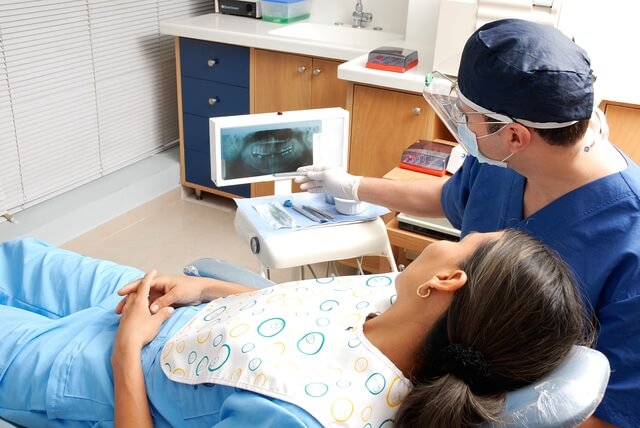
To understand why anesthesia matters, it helps to know what’s happening inside your tooth.
Beneath the enamel and dentin is the dental pulp, a soft tissue containing nerves, blood vessels, and connective tissue. When deep decay, a cracked tooth, trauma, or another problem damages this tissue, it can become inflamed or infected.
During a root canal, your dentist or endodontist creates an opening in the tooth, removes the affected pulp, cleans and disinfects the root canals, and seals them.
Without adequate anesthesia, working on a tooth with sensitive, living pulp can trigger significant pain. The discomfort may be sharp, intense, or difficult to tolerate, especially when instruments reach sensitive tissue.
However, pain isn’t identical for everyone. A tooth with nonvital pulp may respond differently than a tooth with severely inflamed but living pulp. Even when the pulp is no longer vital, the tissues around the root can remain inflamed or sensitive.
That is why your tooth’s condition matters. There is no reliable way to predict exactly how much pain an individual will experience based solely on whether anesthesia is used.
What Does a Root Canal Feel Like Without Anesthesia?
Without effective numbing, a patient may experience sharp pain when sensitive pulp tissue is disturbed. Depending on the tooth’s condition, discomfort can range from mild to severe.
Here are some sensations that may occur:
- Sharp or shooting pain: Sensitive nerve tissue can react strongly when the dentist accesses or treats the tooth.
- Throbbing discomfort: Existing inflammation may cause a persistent, throbbing toothache that can become harder to tolerate during treatment.
- Sensitivity to pressure or movement: Instruments working inside the tooth may stimulate sensitive tissues.
- Involuntary reactions: Sudden pain can make someone flinch, tense their muscles, or need the procedure to stop.
These are possible experiences, not a prediction that every patient will experience all of them. A tooth with a non-vital pulp may produce little or no sensation from the pulp itself, although surrounding tissues can still cause discomfort.
The key takeaway is that you shouldn’t have to tolerate significant pain during a root canal. If you feel sharp pain during treatment, tell your dentist or endodontist immediately so they can pause and reassess your comfort.
Why Is Anesthesia Standard During Root Canal Treatment?

Local anesthesia blocks pain signals from the treated area. It lets the dentist or endodontist work on the tooth while helping the patient stay comfortable.
The American Association of Endodontists explains that modern endodontic treatment uses effective local anesthetics and advanced techniques to help patients manage discomfort during root canal procedures. The treatment aims at addressing the infection or inflammation causing the toothache.
Local anesthesia is different from sedation. Anesthesia numbs the treatment area, while sedation may help a patient feel calmer or less anxious. Depending on the patient and the practice, sedation may be available as an additional option, but it does not replace the need for appropriate pain control.
With adequate local anesthesia, most patients experience pressure, vibration, or movement rather than sharp pain. Some sensations can still occur, and responses to anesthesia vary by tooth and surrounding tissues.
Learn more about the procedure in the American Association of Endodontists’ guide to root canal treatment.
Does a Root Canal Hurt With Anesthesia?
For most patients, a root canal performed with effective local anesthesia is much more comfortable than they expect.
You may feel a brief pinch or stinging sensation when the anesthetic is administered. Once the area is sufficiently numb, you should generally feel pressure or vibration rather than sharp pain during treatment.
Your endodontist will assess the tooth and surrounding area before proceeding. If you experience significant discomfort, tell them rather than pushing through it.
Many people associate root canals with pain because the tooth was already hurting before the appointment. Severe toothaches often result from inflamed or infected pulp. Treating the underlying problem can help relieve that pain.
Modern root canal treatment isn’t something you should automatically expect to be excruciating. With appropriate anesthesia and attentive treatment, most patients can get through the procedure comfortably.
What If Local Anesthesia Doesn’t Work Well Enough?

Sometimes, a patient stays sensitive even after receiving local anesthesia. This can be frustrating, particularly if the tooth was already painful before the appointment.
One possible reason is significant inflammation inside the tooth. An inflamed pulp can be harder to anesthetize completely, so the initial injection may not provide enough pain control.
Other factors, including the tooth’s location, anatomy, and personal differences in response to anesthetic medication, can also affect how well the area becomes numb.
If you still feel pain, your endodontist may consider several approaches:
- Administering additional local anesthesia: An additional injection or a different injection technique may improve numbness.
- Using supplemental anesthetic techniques: Depending on the tooth and clinical situation, another method of delivering local anesthesia may be appropriate.
- Reassessing the tooth: The clinician may evaluate the source of the discomfort and determine whether the treatment approach needs to change.
- Pausing treatment: If adequate pain control cannot be achieved immediately, the clinician may need to stop and consider the safest next step.
Never feel that you have to remain silent if something hurts. Tell your endodontist what you are feeling. A clear description of the discomfort can help them decide whether you need additional pain-control measures.
Can a Root Canal Be Done Without Anesthesia?
Although a root canal may involve little sensation when the pulp is no longer vital, that doesn’t mean anesthesia should routinely be skipped.
The pulp can be dead while tissues around the root remain sensitive. A tooth may also contain a mixture of damaged, inflamed, and still-living tissue. A lack of a strong response in one area does not guarantee the entire procedure will be painless.
For routine root canal treatment, local anesthesia is the standard approach to managing pain. Proceeding without adequate anesthesia simply because a patient hopes not to feel anything is generally not appropriate.
If you have a history of allergies, concerns about anesthetic medication, or another reason you are reluctant to receive anesthesia, discuss it with your dental professional before treatment. They can review your medical history and explain the available options.
Do not attempt to avoid necessary dental care or manage a serious tooth infection on your own because you are afraid of injections. An endodontist can help you understand the risks, benefits, and practical options for your particular situation.
What If You’re Afraid of Root Canal Pain?
Dental anxiety is common. Some people fear needles, others are concerned about losing control during treatment, and some have had painful dental experiences in the past.
If this sounds familiar, tell your endodontist before the procedure begins. You do not need to wait until you are sitting in the dental chair and feeling overwhelmed to discuss your concerns.
A few practical steps can make the experience easier:
1. Ask what will happen during the procedure. Knowing when the anesthetic will be administered, how the tooth will be treated, and what sensations to expect can make the procedure feel less intimidating.
2. Agree on a signal to pause. Ask your endodontist how you can communicate discomfort during treatment. Having a clear way to request a pause may help you feel more in control.
3. Discuss your previous experiences. If anesthesia has not worked well for you before, or if you have experienced significant pain during dental treatment, disclose those details. They may help guide the pain management approach.
4. Ask whether sedation is appropriate. Some practices provide sedation options for suitable patients who experience substantial dental anxiety. Availability and eligibility vary, so discuss your needs with the practice in advance.
5. Avoid delaying care because of fear. An untreated infected tooth can become increasingly painful and may develop an abscess. Getting an evaluation can help you understand your options before the problem progresses.
To understand the difference between numbing and sedation, read Midtown Endodontics’ article on whether patients are put to sleep for a root canal.
You deserve to have your concerns taken seriously. A good conversation before treatment can help your dental team make the experience more manageable.
Does a Root Canal Hurt After the Anesthesia Wears Off?
Even when a root canal goes smoothly, some tenderness can occur after the anesthetic wears off.
This discomfort often comes from the tissues surrounding the root, especially if the tooth was inflamed or infected before treatment. You may notice mild soreness when chewing or when pressure is placed on the tooth.
For many patients, this unease is temporary and improves within a few days. Your endodontist can recommend appropriate aftercare and pain relief based on your medical history and individual needs.
Follow the instructions you receive, avoid putting unnecessary pressure on the treated tooth, and arrange any recommended permanent restoration with your dentist.
However, pain should not be ignored if it becomes severe, gets progressively worse, or persists longer than expected. Contact your dental provider if you experience significant pain, increasing swelling, or other concerning symptoms. Facial swelling accompanied by difficulty breathing or swallowing requires emergency medical attention.
For more details about recovery, see Midtown Endodontics’ guide to pain after a root canal.
Frequently Asked Questions About Root Canal Pain Without Anesthesia
1. Is a root canal unbearable without anesthesia?
It can be extremely painful when sensitive, living pulp tissue is treated without adequate anesthesia, but the experience varies from person to person. A tooth with a non-vital pulp may respond differently, although the surrounding tissues can still be sensitive. Local anesthesia is routinely used to help make root canal treatment comfortable.
2. Can a dentist perform a root canal without numbing the tooth?
A dentist may encounter situations in which a tooth has little sensation because its pulp is no longer vital. However, surrounding tissues can remain sensitive, so the absence of pulp sensation does not guarantee a painless procedure. Local anesthesia is the standard approach for managing pain during routine root canal treatment.
3. Why does my tooth still hurt after local anesthesia?
Severe inflammation can make a tooth more difficult to numb completely. The tooth’s location, anatomy, and personal differences in response to anesthetic medication may also affect pain control. If you still feel sharp pain, tell your dentist or endodontist so they can reassess the situation and consider additional techniques.
4. Can you ask for more anesthesia during a root canal?
Yes. If you feel pain during treatment, tell your endodontist immediately. They can pause, assess your symptoms, and determine whether additional anesthesia or another pain-control approach is appropriate. You should not feel obligated to tolerate considerable pain in silence.
5. Does an infected tooth make anesthesia less effective?
Inflammation associated with an infected or severely irritated pulp can make complete anesthesia more challenging in some cases. This does not mean adequate pain control is impossible. Your endodontist can evaluate the tooth and use appropriate supplemental techniques when necessary.
6. Is a root canal more painful than a tooth extraction?
There is no single answer for every patient because discomfort depends on the tooth’s condition, the procedure, and the individual’s response to treatment. Both root canal treatment and extraction are performed with appropriate anesthesia. Root canal treatment aims to preserve the natural tooth, while extraction removes it. Your dentist can explain which option suits your situation.
7. What can I do if I’m scared of root canal pain?
Tell your endodontist about your anxiety before treatment. Ask them to explain the procedure, discuss how they’ll manage pain, and agree on a signal to pause if you feel uncomfortable. If fear is severe, ask whether sedation is available and appropriate for you.
Get Comfortable, Informed Care at Midtown Endodontics P.C.
Worrying about root canal pain is understandable, especially if you have heard frightening stories or experienced discomfort during dental treatment in the past. But you do not have to face the procedure with unanswered questions or unwarranted anxiety.
At Midtown Endodontics P.C., we take your concerns about pain and comfort seriously. Understanding the treatment, reviewing your medical history, and considering any previous anesthesia issues can help your dental team choose the best approach for your needs.
If you have been advised to get a root canal or are experiencing tooth pain, reach out to talk about your concerns and learn about your treatment options.
Call Midtown Endodontics P.C. at 212-721-2266 to schedule a consultation and take the next step toward a more healthy, more comfortable smile.This article is for educational purposes only and does not replace an individual dental examination or professional medical advice.
About The Author